

Injured at a South Florida Vacation Rental: What Tourists Need to Know
May 17, 2026 – Britto & Herman Injury Lawyers
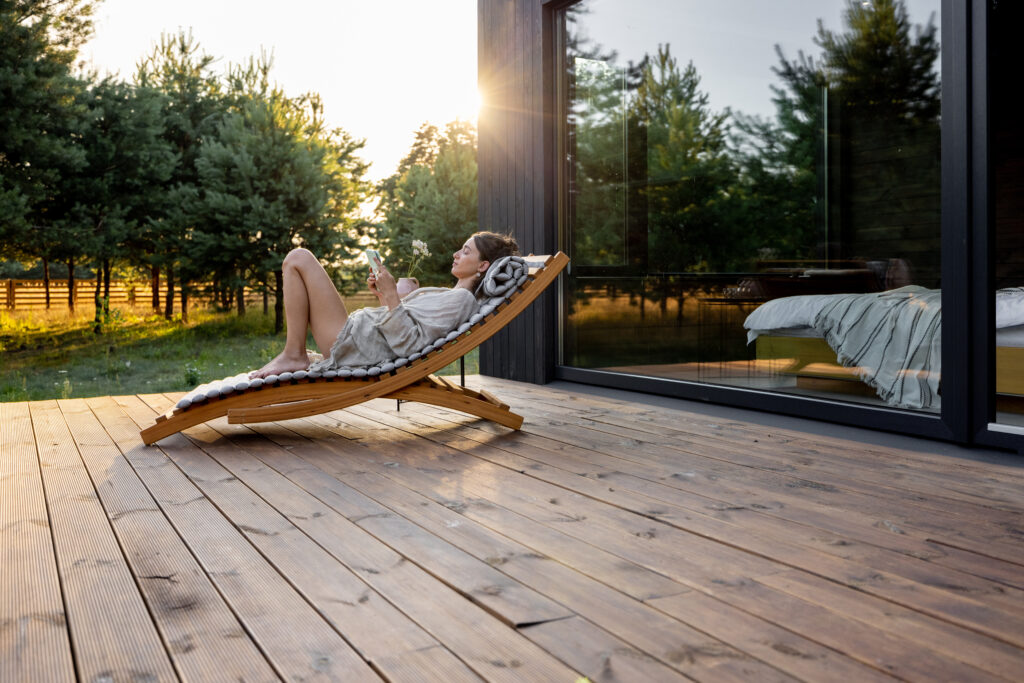
A vacation rental injury in Florida can instantly transform a dream trip into a complex legal struggle. While tourists often expect short-term rentals in Jupiter or Fort Lauderdale to meet hotel-level safety standards, many private homes lack the oversight required to prevent serious accidents.
At Britto & Herman Injury Lawyers, our premises liability lawyers understand how a single loose railing or an unlit pool deck can lead to life-altering consequences. This guide explores the legal protections available to guests and the critical steps required to hold negligent property owners accountable.
Airbnb VRBO Injury Claim: Key Takeaways
- Secure high-quality photos and videos of the hazard immediately after the accident to preserve essential evidence for your case.
- Report the injury to the host and the booking platform through their official messaging system to create a permanent digital record.
- Act quickly because Florida law now requires most negligence lawsuits to be filed within two years of the incident, following the 2023 update to Statute 95.11.
Understanding Vacation Rental Injuries
Short-term rentals (STRs) occupy a unique legal space in Florida. Unlike commercial hotels, which undergo rigorous, routine inspections, a private home in Fort Lauderdale may be inspected only once every few years. This lack of oversight often leads to hidden defects that only become apparent when a guest is hurt.
Common Hazards in Short-Term Rentals
The transition from a residential home to a high-turnover rental often causes wear and tear that homeowners fail to address. Common hazards include:
- Structural decay where salt air in coastal Florida corrodes metal fasteners on decks and balconies.
- Missing safety gear, such as required smoke detectors or fire extinguishers, as required by local ordinances.
- Poor lighting in parking areas or stairwells is a leading cause of trips and falls.
Slip and Fall Injuries: Causes and Prevention
Slip-and-fall accidents are the most common cause of injury in South Florida rentals. According to the National Floor Safety Institute (NFSI), falls account for over 8 million hospital emergency room visits annually. In vacation homes, these are often caused by improperly sealed stone tiles or loose rugs. Guests should always check for wet-floor hazards near sliding glass doors, as Florida’s high humidity can cause condensation on indoor surfaces.
Types of Injuries in Vacation Rentals
The tropical environment of South Florida introduces specific risks that require specialized legal knowledge to navigate.
Swimming Pool Accidents and Safety Concerns
According to the Florida Department of Health (FDOH), Florida ranks 5th in the nation for drowning deaths and is well above the national average.
A short-term rental pool accident can often be the result of a host failing to comply with the Florida Residential Swimming Pool Safety Act. This law requires barriers like a four-foot fence or exit alarms. If a rental lacks these protections, the owner may be held liable for negligence.
Unsafe Stairs and Railings Failures
In older Jupiter and Fort Lauderdale vacation homes, stairs often fail to comply with the Florida Building Code. Common issues include uneven risers and loose handrails that cannot support the required 200-pound load. These defects are particularly dangerous for families traveling with young children or elderly relatives.
Deck Failures and Balcony Risks
Coastal properties face extreme weather conditions. Salt air erodes the integrity of elevated structures. Under Florida Statute, Section 509.2112, public lodging establishments three stories or higher must have their balconies and railings inspected every three years. If a host neglects this duty and a collapse occurs, the victim’s legal case is significantly strengthened.
Legal Aspects of Vacation Rental Injuries
Proving liability in a rental case requires establishing that the host breached their duty of care.
How Premises Liability Works in Vacation Rental Cases
In Florida, a paying guest is classified as an invitee. This status entitles you to the highest level of protection. The host must keep the property safe, warn you of known dangers, and conduct regular inspections to identify new hazards. If they fail in any of these duties, you may have a valid claim.
Reporting Hazards to Hosts: Your Rights as a Guest
Reporting hazards to hosts is essential for protecting your legal rights. If you notice a hazard, send a message through the Airbnb or VRBO website/app. Take a screenshot of the message before you send it. This helps create a record of notice of the problem. If the issue isn’t fixed, and you are later injured, this record can be vital evidence.
Homeowner Insurance Claims for Tourist Injuries
Many hosts rely on standard homeowners’ insurance, which often excludes business activities such as short-term rentals. This is why tourists often must rely on the liability insurance provided by booking platforms to secure compensation for their medical bills.
Navigating Compensation for Injuries
Both major booking platforms provide liability coverage, but accessing these funds is a complex process.
Filing an Airbnb Injury Claim
Airbnb provides $1 million in liability insurance through its AirCover program. While this sounds straightforward, their insurance adjusters often seek ways to deny claims by arguing the guest was at fault. Documenting the scene immediately is the best way to counter these tactics.
Filing a VRBO Injury Claim
VRBO offers similar $1 million coverage. This is primary insurance, meaning it should pay out before the homeowner’s personal policy. However, if the stay was not booked through the VRBO checkout, this coverage may not apply, leaving the guest in a difficult legal position.
Local Personal Injury Lawyers: Choosing the Right Representation
Choosing a local South Florida law firm is crucial. Attorneys should be familiar with the specific building codes and court systems in South Florida (such as Jupiter and Fort Lauderdale). This local expertise allows lawyers to hire the right inspectors to prove that a property was unsafe.
Safety Tips for Tourists
While we are here to help after an accident, we want your Florida vacation to be safe from the start.
Pool Safety Barriers: Protecting Your Family
Upon arrival, verify that the pool has a functioning barrier. If there are sliding doors leading to the pool, check for alarms. If these safety features are missing or broken, report them to the host immediately.
Child Safety Around Pools: Essential Precautions
Never assume a house is child-proof. The CDC notes that drowning is a leading cause of death for children aged 1–4. We recommend bringing portable door alarms or tension-mounted gates for added security if the rental feels unsafe.
Local Tips for Tourists: Avoiding Hazards in South Florida
- Large tree roots from local palms can lift sidewalk pavers, creating serious trip hazards.
- Use your phone’s flashlight when arriving at a new property at night to identify porch steps or uneven terrain.
- Remember that condensation can make indoor tile floors as slippery as an ice rink.
Get Legal Help Today for Your Personal Injury
If you have been injured, you don’t have to face the insurance giants alone.
Contact Britto & Herman Injury Lawyers today for a free, no-obligation consultation (virtually or in-person).
Our team is ready to investigate your case and fight for the settlement you deserve.
Jupiter and Fort Lauderdale Vacation Home Injuries: Bottom Line
Navigating a vacation rental injury in Florida requires a balance of immediate action and professional legal guidance. Because Florida recently shortened the window for filing negligence claims to two years, every day counts. Securing your recovery means holding negligent hosts accountable and protecting your family.
Vacation Rental Injury in Florida: FAQ
Filing a claim for a vacation rental injury in Florida can raise many questions for tourists visiting from out of state. Here are the most frequently asked questions we encounter.
- How long do I have to file a lawsuit after a rental injury? Under the 2023 update to Florida Statute, Section 95.11, you generally have two years from the date of the accident to file a negligence claim. Waiting too long can permanently bar you from seeking compensation.
- Can I still sue if the host had a “stay at your own risk” sign? Yes. In Florida, signs and waivers do not give a host permission to be negligent. If a property owner failed to fix a known hazard, a sign is usually not enough to protect them from liability.
- What if I were partially at fault for my fall? Florida follows a comparative negligence system. As long as you are not more than 50% at fault, you can still recover damages, though your payout will be reduced by your percentage of fault.
- Does Airbnb’s insurance cover my medical bills? Yes, Airbnb’s liability insurance covers bodily injury to guests. However, you must prove that the host’s negligence caused the injury.
- Should I talk to the host’s insurance company? It is usually best to avoid speaking with insurance adjusters before consulting a lawyer. They may use your recorded statements to devalue your claim later.
About Our Law Firm
Britto & Herman Injury Lawyers is dedicated to serving the South Florida community, from the beaches of Fort Lauderdale to the quiet neighborhoods of Jupiter. We focus on providing compassionate, high-level representation to those injured by property owner negligence.
Visit our South Florida law office today.
Ask a question, Describe your situation,
Request a Free Consultation
Contact Us And We’ll Tell You Everything You Need To Know!
Required Fields*
Your Information Is Safe With Us
We respect your privacy. The information you provide will be used to answer your question or to schedule an appointment if requested.
Related Blog Posts

Common Places Where Slips, Trips and Falls Occur in Florida
In our previous blog, What Are the Most Common Causes of Slips, Trips, and Falls in Florida?, we explored the factors that often lead to these types of accidents. From…

What To Do After Common Causes of Truck Accidents In Jupiter
Truck Accident Causes in Jupiter demand immediate attention. Whether you’re driving home, crossing the street, or heading to work, sharing the road with big commercial trucks comes with unique challenges.…

Pedestrian Accidents in Florida Parking Lots: Who Is Liable?
Imagine walking back to your car after a grocery run in Fort Lauderdale. Suddenly, a vehicle reverses without warning and strikes you. In an instant, a routine errand turns into…

Nursing Home Fall Injuries in Florida: What Families Should Watch For
Addressing nursing home fall injuries in Florida requires a deep understanding of resident rights and the safety standards that facilities must uphold. When a loved one suffers a fall, the…