

Coastal Bridges & Causeways: Bicycling Safety Tips in Fort Lauderdale, FL
April 5, 2026 – Britto & Herman Injury Lawyers
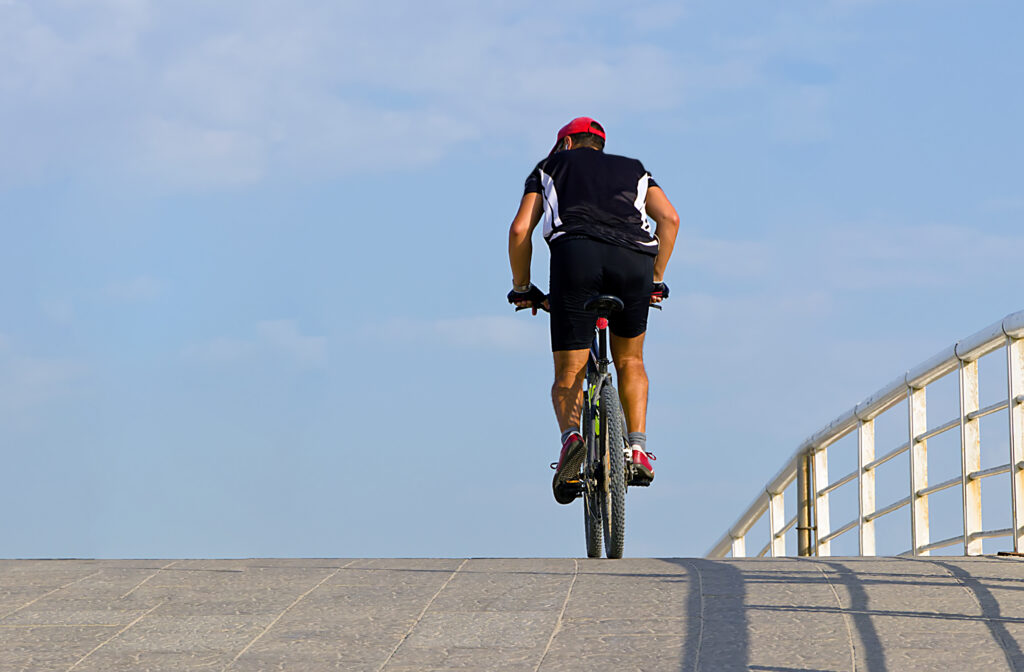
Fort Lauderdale is famous for its stunning network of canals and coastal views, but navigating the city’s high-rise bridges requires more than just strong legs. Whether you are commuting across the 17th Street Causeway or enjoying a weekend ride along A1A, understanding the specific risks of bridge infrastructure is essential for your protection.
Cycling safety on Florida coastal bridges is a significant concern for residents and visitors alike who enjoy our unique landscape. At Britto & Herman Injury Lawyers, our bicycle accident lawyers believe that informed riders are safer riders. We are committed to providing the legal expertise needed to protect our local community.
Bridge and Causeway Bike Crashes: Key Takeaways
- High-Rise Bottlenecks: Most bridge and causeway bike crashes occur because these structures force cyclists and motor vehicles into narrow spaces with minimal room for error.
- Environmental Forces: Atlantic crosswinds can suddenly push a cyclist toward traffic lanes, making steering unpredictable on open causeways.
- Legal Protections: Florida law allows cyclists to “take the lane” if a bridge shoulder is too narrow to share safely with a motor vehicle.
Understanding Cycling Safety
Riding a bike in Florida offers unparalleled views, but recent data from the Florida Highway Safety and Motor Vehicles. In 2024, Florida reported approximately 9,325 bicycle crashes and 209 fatalities. This fact highlights why cycling safety on Florida coastal bridges must be a priority for every rider.
Importance of Helmet Safety Tips
While Florida law mandates helmets only for riders under 16, medical data show they save lives at all ages. A 2018 meta-analysis from Accident Analysis & Prevention showed that helmet use is associated with a 34% reduction in the risk of death or serious injury in a cycling crash. A properly fitted helmet should sit level on your head, roughly two fingers above your eyebrows, with straps forming a “V” under each ear.
Overview of Common Risk Factors on Bridges and Causeways
Bridges create unique hazards that standard surface streets do not. The steep grades of high-rise structures often make a significant speed gap between struggling cyclists and accelerating cars. Furthermore, many older bridges have narrow shoulders that collect debris, such as glass and gravel. This can lead to severe bike crashes on bridges and causeways if a rider loses control.
Local Routes and Infrastructure
Fort Lauderdale is actively investing in safety, but infrastructure gaps remain. The city’s 2026 Legislative Program recently requested $1.25 million for Galt Mile Street Safety Improvements. These upgrades will add dedicated bike lanes and better lighting to a busy coastal corridor.
Bike-Friendly Infrastructure in Fort Lauderdale
The city uses green-painted “conflict zones” to alert drivers to the presence of cyclists. Some areas now feature separated bike lanes with vertical bollards. These are less common on the high-speed causeways connecting the mainland to the beach.
Coastal Bike Paths Availability
The A1A Beach Boulevard is a premier route, yet it requires caution due to “dooring” risks near hotels. Coastal riders should prioritize paths that provide a physical buffer from moving traffic whenever possible. This helps you avoid collisions with distracted tourists.
Navigating Bridges and Causeways
Crossing a bridge requires a shift in your riding strategy to account for limited space and higher wind speeds.
Cycling Safety on Florida Coastal Bridges
Under Florida Statute Section 316.2065, if a lane is too narrow to share safely with a vehicle side-by-side, it is considered a “substandard-width lane.” In these cases, you are legally permitted to ride in the center of the lane. Mastering this technique is a core part of maintaining cycling safety on Florida coastal bridges.
Crosswind Dangers and Narrow Shoulder Dangers
Atlantic crosswinds can be dangerous on open bridges. High-profile wheels can act like a sail, catching a gust and pushing the bike several feet to the side. Always maintain a firm grip on the handlebars. Be prepared to lean slightly into the wind to keep a straight line and avoid a fall.
After an Incident: Navigating Insurance Tactics
If you are involved in a crash, these steps are vital for protecting your legal rights against common insurance maneuvers.
Their Job Is to Minimize Your Payout
Insurance adjusters work for companies that prioritize profit. They often use friendly language to encourage you to share details. These details could later be used to reduce the value of your claim or deny responsibility altogether.
Tactics Used to Get You to Admit Fault
Adjusters may ask leading questions about whether you were wearing a helmet or using lights. Florida uses a modified comparative negligence system. Any percentage of fault they can shift to you directly reduces your final settlement amount.
Why You Should Never Accept the First Offer
First offers are typically “lowball” settlements. They are designed to close the case quickly. This often happens before you can determine the full cost of future medical care or long-term lost wages.
Get Legal Help from a Fort Lauderdale Injury Lawyer
Don’t let an insurance company dictate the value of your recovery. If you have been injured on a Fort Lauderdale bridge or causeway, our team is ready to provide the aggressive advocacy you need.
Contact Britto & Herman Injury Lawyers today for a free virtual or in-person consultation.
Reporting a Cycling Accident in Florida: Bottom Line
Reporting a cycling accident in Florida is the most critical step in establishing an official legal record. A formal police report provides an objective account that prevents the driver from changing their story later. By reporting a cycling accident in Florida immediately, you ensure your path to fair compensation remains straightforward and trustworthy.
Cycling Safety on Florida Coastal Bridges: FAQ
If you have questions about your rights on the road, our guide to cycling safety on Florida coastal bridges, and frequently asked questions can help.
Is it legal to ride my bike on the sidewalk in Fort Lauderdale? Yes, unless a local sign specifically prohibits it. You must always yield to pedestrians and provide an audible signal before passing them.
What should I do immediately after a bridge crash? Call 911 to report the accident and seek medical attention. Taking photos of the scene is a significant part of effectively reporting a cycling accident in Florida.
Do I have to wear a helmet as an adult in Florida? No, Florida law only requires helmets for riders under 16. However, wearing one is highly recommended to prevent life-altering injuries.
What is the “3-Foot Rule”? Motorists are required by law to give cyclists a minimum of three feet of clearance when passing. If the bridge lane is too narrow to allow this, the driver must wait until they can safely move into another lane.
Why are bridge and causeway bike crashes so common? The combination of narrow shoulders, high wind speeds, and motorists failing to yield creates a hazardous environment for accidents on these structures.
About Our Law Firm
Britto & Herman Injury Lawyers is a dedicated personal injury firm serving the Fort Lauderdale community. Our attorneys specialize in helping victims of practice areas such as bicycle, motorcycle, and motor vehicle accidents recover the compensation they deserve. We pride ourselves on our local expertise and our personalized approach. Visit our About Us page to meet the team that will fight for your recovery
Ask a question, Describe your situation,
Request a Free Consultation
Contact Us And We’ll Tell You Everything You Need To Know!
Required Fields*
Your Information Is Safe With Us
We respect your privacy. The information you provide will be used to answer your question or to schedule an appointment if requested.
Related Blog Posts

What should I do after a motorcycle accident in Florida?
In the aftermath of a Florida motorcycle accident, seek medical attention, report the accident to the police, gather evidence (photos, witness information), and contact an experienced motorcycle accident lawyer to…
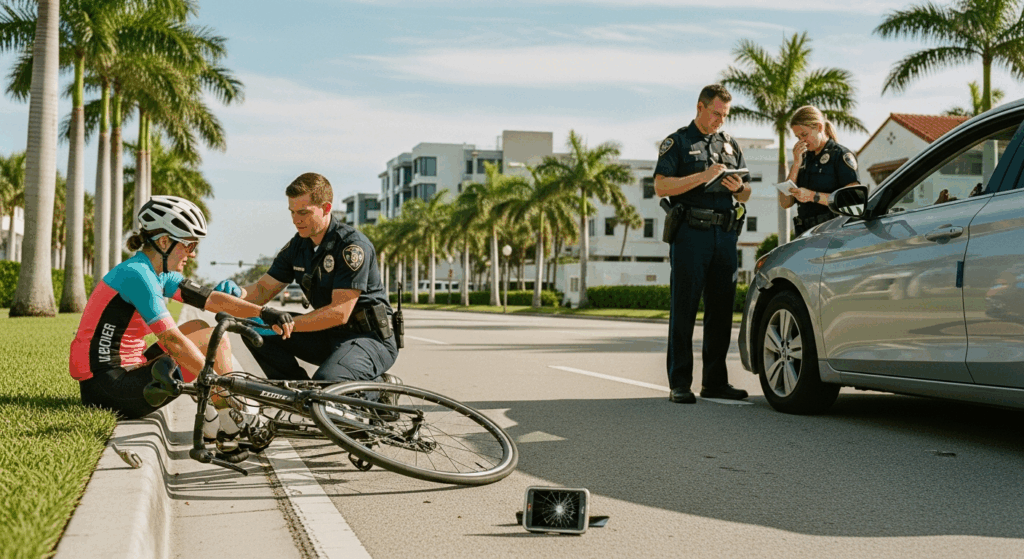
What to Do After a Bicycle vs Car Collision on Jupiter Streets
Bike-car collision in Jupiter can lead to severe injuries. Jupiter’s scenic roads attract cyclists daily, but riding alongside cars carries risks. When a bicycle vs car collision occurs, the cyclist…
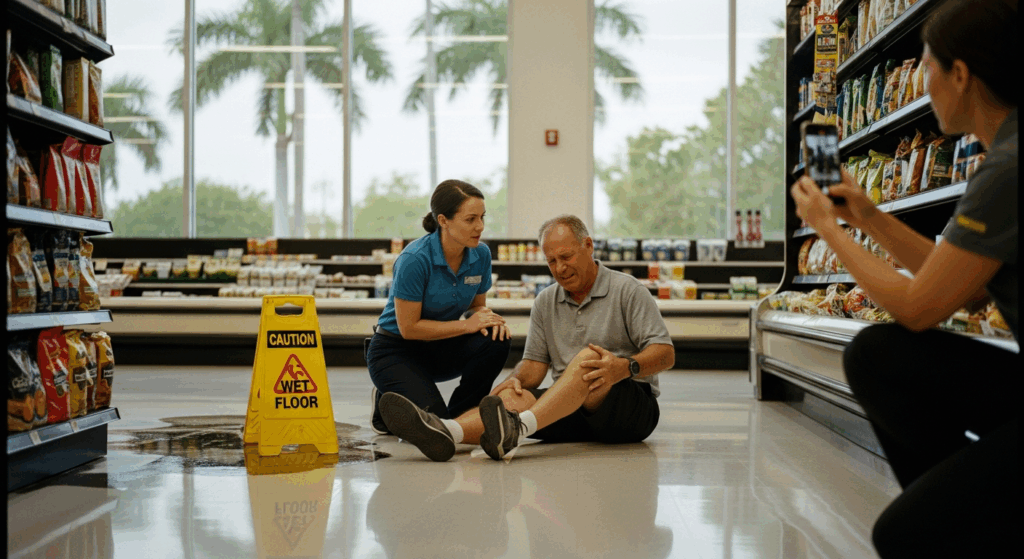
What to Do Immediately After a Slip and Fall Accident in Jupiter, FL
If you have been injured on someone else’s property, following the proper slip-and-fall steps can make all the difference in your recovery. A slip and fall injury can happen in…
The Hidden Dangers of Motorcycle Accidents in Jupiter, Florida: What You Need to Know
Riding a motorcycle in Jupiter, Florida, offers freedom and excitement, but it also comes with significant risks. While Florida’s sunny weather and scenic roads make it a popular destination for…